(Some) vendors finally getting open source
I really don’t need another hardware sampler. I was quite happy to let Akai’s little grey box with its sixteen pads pass me by. Then somebody told me you could write your own operating system for the thing. Apparently I have a much easier time resisting a sampler than a sampler I could turn into something else. :)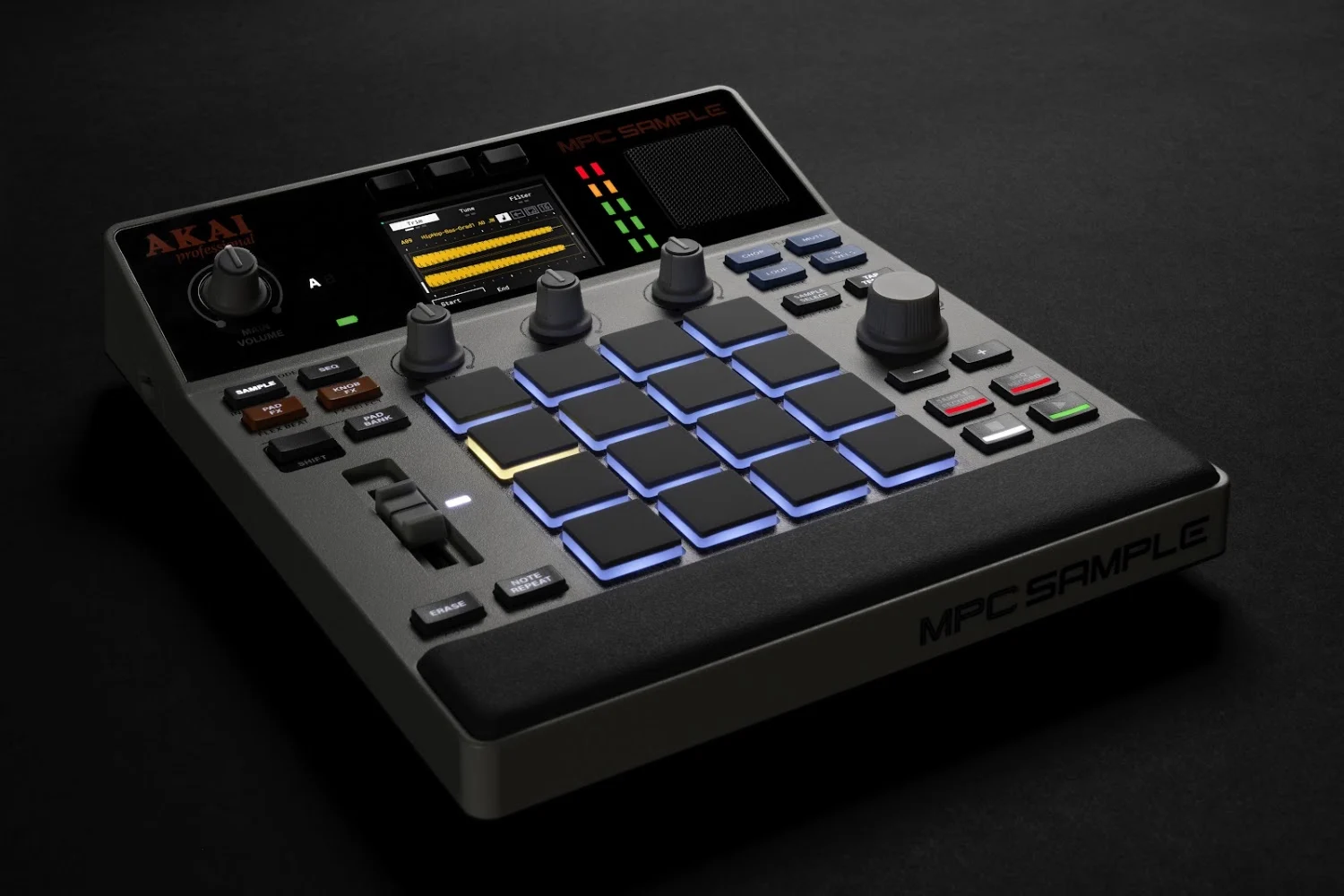
It turns out you can be a little more precise about “operating system”. On the firmware the hackers took apart (1.3.0.12), the MPC boots Linux on a Rockchip RK3566 with four Cortex-A55 cores. What I didn’t expect was how much of the hardware you can reach through ordinary Linux APIs. Audio goes through ALSA (the Advanced Linux Sound Architecture). To play a sample, a program can send PCM frames to the sound card. To light up the little 320 × 240 display, it can use DRM/KMS, the same kernel graphics interface a Linux desktop uses. Even the front panel speaks a familiar language. A separate microcontroller scans the pads and knobs and sends MIDI messages over a serial link. Linux presents them to the app as an ALSA MIDI port called “Control Surface”. The lab’s audio and display notes · Front panel protocol
There was still some detective work involved. On the first run the pads played tones, but the LCD stayed black. The lab notes suggest the test program had drawn into a perfectly writable framebuffer that the panel wasn’t showing. On the second run the program used DRM to put its own buffer on the display. Here’s what “custom OS” amounts to on this MPC. Akai’s Linux boots as usual, and the instrument you picked on microSD takes over from the factory app. The lab’s little WAV sampler ran in RAM, with the physical pads under its control and Akai’s kernel still moving samples to the audio codec. MPC Sample Lab
I particularly like what happened next. Snare Bes built SampQOL, a mod that adds a step sequencer and a mixer to Akai’s own app. Kerem Kiliç wrote Melodee, an open-source groovebox that takes over the whole instrument. Each pad selects a track with its own effects, whether you’re playing a drum kit or a synth. SampQOL · Melodee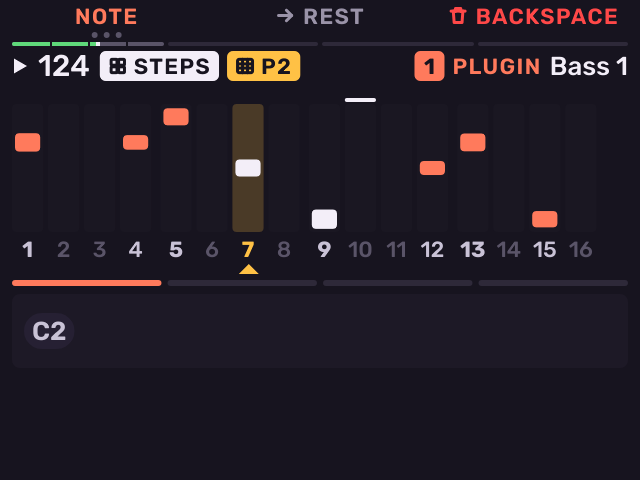
Trying everybody else’s software used to mean swapping SD cards or shuffling folders. Enter SampleBoot. You keep several instruments on one card and pick one with the encoder when you switch the MPC on. Imagine putting “needs a boot menu for all the sequencers people have written for it” in the original product requirements. SampleBoot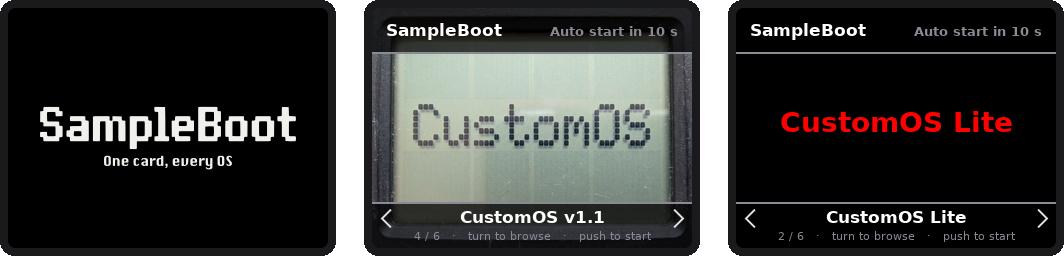
I suspect AI has a fair bit to do with this sudden burst of instruments. You could hand a drummer the best-documented SDK in the world and she’d still have to find an embedded programmer willing to spend a weekend on her idea. Say she wants a pad that plays a fill for as long as she holds it, then drops back into the groove the instant she lets go. These days she can give an AI coding tool the docs and a working example, describe that behaviour, and get far enough to try it with her own hands. If the return feels half a beat late, she’s the expert you’d want in the room anyway. What I love about this is how many ideas finally get a hearing when knowing your way around an ARM toolchain stops being a condition for entry. I wrote about the same effect on my own pile of unbuilt software.
I’ve spent years being cross with companies that tried to keep people like us out. Back in 2006 I bought a Motorola A780 and an E680 to work on OpenEZX. We could have used the SDK Motorola kept promising. One of my first contributions was a driver for the LCD backlight. A year later, at a conference in Aalborg, Stefan Schmidt and I got the A780 to boot into the OpenMoko interface. We even heard the startup sound, courtesy of a new ALSA SoC patch. I had quite forgotten that detail until I went back to the old posts. My first OpenEZX drivers · What I wanted from an open phone in 2006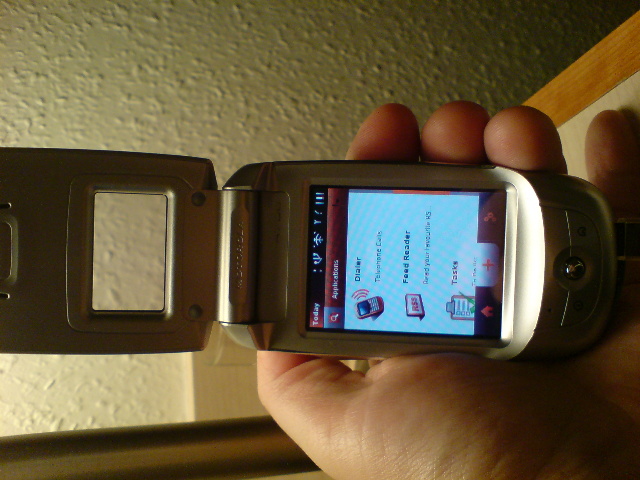
What caught my attention this time was Akai putting out a video themselves. After showing what they’d asked Claude to build for the Sample Key, they show a chiptune synth on the pad-based MPC Sample and say the same community features are coming to that machine. Akai’s parent company, inMusic, publishes the open-source components of the Linux environment. The factory sampler application is proprietary. You can already play the community’s Melodee on the pad model. Akai’s decision to make that prospect part of the sales pitch is the bit that would have surprised my younger self. My OpenMoko story · Akai’s video · inMusic’s source archive for the MPC Sample
For a machine you already own, I think Synthstrom Audible’s Deluge is an even better illustration. Synthstrom released the firmware source in 2023. One of the things owners of the original four-character-display model got out of that decision was a new way to play a live set. The community arranged clips in a grid on the illuminated pads, one column per track. Those pads had been under people’s fingers for years. It took someone with a different idea about how to use them to give that old instrument a new trick. I’ve always loved that. Synthstrom’s announcement · The community’s grid view
We’ve just built FM-1 Studio for the Mac, which makes me a participant in this peculiar form of advertising. M-VAVE sells a pocket FM synth and publishes the application source and a binary SDK for it. The Firmware Hub gives you a pretty good idea of what happened next. Two entries sitting next to each other in the catalogue are SLOOP, a groovebox with a step sequencer, and JIANT FM, which draws its six tracks as living creatures in thermal colours. Both target the same little synth, though JIANT FM’s maker says it has seen little testing on the physical unit. M-VAVE’s FM1 Open · The Firmware Hub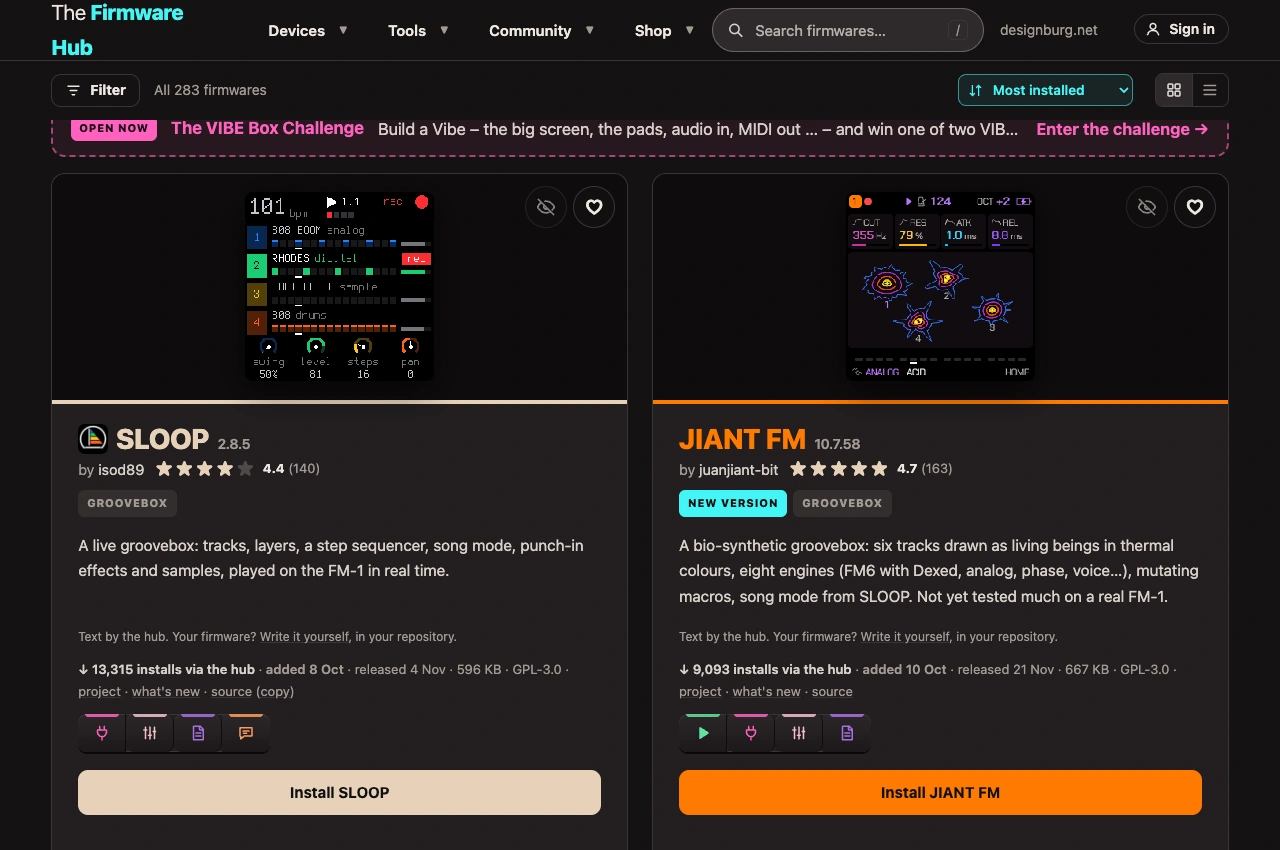
Joakim Eriksson wrote an emulator for the machine and a firmware that turns it into a Commodore 64 SID synth. Our bit was to put the emulator in a native Mac instrument. I can open the original FM synth on one track in my DAW, load a community ROM on another, and save the exact firmware with the song. Back in 2008, the first thing I wanted on my iPhone was a SID player. Now you can play Joakim’s version in a browser. How many of us have told someone about an M-VAVE synth on the strength of something Joakim wrote? SID Player on my iPhone · Play FM-1 SID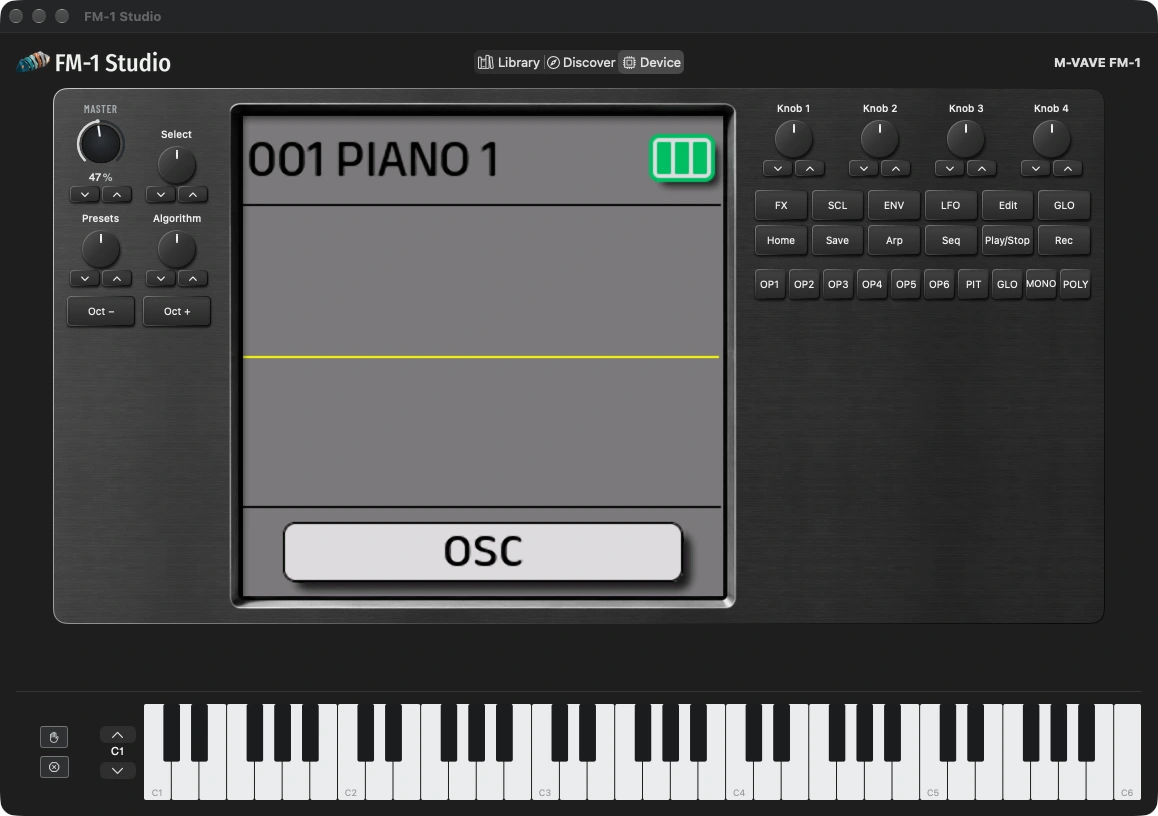
That’s the commercial argument I’d have liked to make to Motorola. Somebody hears a SID tune, sends a friend the playable link, and the friend who wants real knobs goes looking for the box it runs on. The same thing just happened to Akai with me, a fairly determined non-customer who is now writing about their sampler (with AI helping me type). The manufacturer gets word of mouth, the musician gets another instrument out of the purchase, and the next hacker gets source code to start from. I can think of worse ways to sell music gear.
My favourite detail was sitting in the MPC Sample Lab’s system notes all along. Akai built the Linux image with Yocto. Underneath Yocto sits the OpenEmbedded build system. Back in 2003, Chris Larson, Holger Schurig and I started OpenEmbedded when I was spending my evenings getting Linux software onto a Sharp Zaurus. Twenty-three years later I’m trying to talk myself out of buying a drum machine and find our old project inside it. That particular circle I couldn’t have drawn if I’d tried. The Zaurus years · Yocto’s build system
If there’s an old instrument on your desk that gained a second life from somebody else’s firmware, drop me a line. I’m particularly interested in the ones I can try without buying the box.