The state of things in 2026
True readers of this column may remember the previous installment — all 66 words of it, written in February 2020, a few weeks before the world went sideways. The one before that, 2019, at least had proper paragraphs. Six and a half years is the longest gap between two of these I’ve ever had, and of course it covers the years where a lot of things changed.
So here’s the catch-up, in no particular order.
Family Dynamics
There’s no doubt that time passes fast (tempus fugit, as I love to say). My daughter Lara-Marie is 15 now — can you believe that? I certainly can’t, but every time I look at her, I’m reminded.
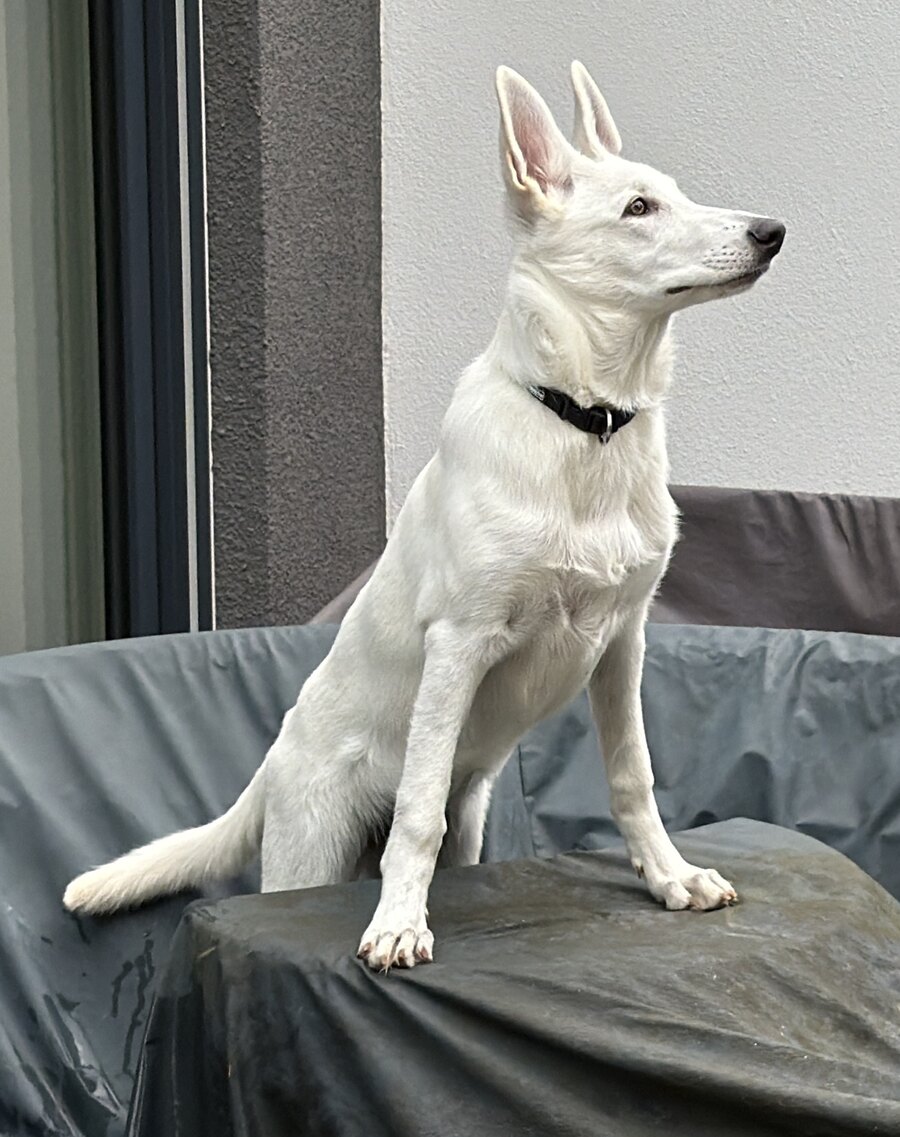
And as if my life wasn’t busy enough, we decided to add Flocke — a demanding White Swiss Shepherd — to the equation. That has changed our family dynamics quite a bit: you can only live properly with a dog like that if everyone is on the same page.
We‘re now a family of four – with all due consequences. And if for nothing else, at least she has been good for my health.
Programming Languages
For almost six years I lived the dream of using only a single programming language: In 2020 I went all-in on Swift. In 2026 I put the boundary back: Swift for everything Apple-native, Rust for systems work and the Linux bench, TypeScript for the web, C++2x on the ESP32, Python for glue. More stacks in my head, fewer fights with the wrong tool.
Automotive
What started as “let me decode one CAN frame” ten years ago is now most of what I do. I built my own adapter hardware (OEM for B2B, but a B2C version is coming next) with the great folks from TPE-Europe, a lot of proprietary automotive code, a Linux toolbox in Rust, and a USB driver that needed sixty lines of C (shock, horror) to reverse engineer. CANcorder became a real desktop product and is shipping later this year, CANsole and CarLab are also on the way. And since spring, an agent sits at the bench with me and reads VINs off my ECUs.
Apps
RetroPlayer finally shipped, only seventeen years after the first Sid Player. Wellenreiter got the other 90 percent and a menu-bar app. I caved and built a weather app. And the iOS Simulator got Bluetooth, cameras and NFC because Apple wouldn’t.
Open source
Not the middleware kind anymore. Small tools instead: lsaudio and lsusd (the story), ImpossiBLE and the rest of the Simsalabim family, mcanbus and socketcan-mcp, mcangen, mcandump, canconf, ELMterm, swift-repl, Soxmate — all on GitHub, most on Homebrew. Plus the ones that make no economic sense at all: an Amiga-style tracker and a driver stack for discontinued Native Instruments hardware. I wrote about why.
LLMs
The elephant in the room. Since 2025 most of my code and a good part of this blog are typed by a model and reviewed by me. It changed the economics of finishing things more than it changed the speed of writing them. It also, for a while, changed the voice of this blog into something that wasn’t mine — I’ve since fixed that, and there is now a thorough rulebook so it doesn’t happen again.
Music
Fabrique Noir kept going after Space Travel: the albums Colonization and Tales from Enwor (both 2021), Airlock (2022) and Abduction (2023), a handful of singles in between, and the newest release, Sirens & Whales (2026) — all of it here. More is on the way, but even LLMs can’t multiply my spare time. This year, because… Books!
Books
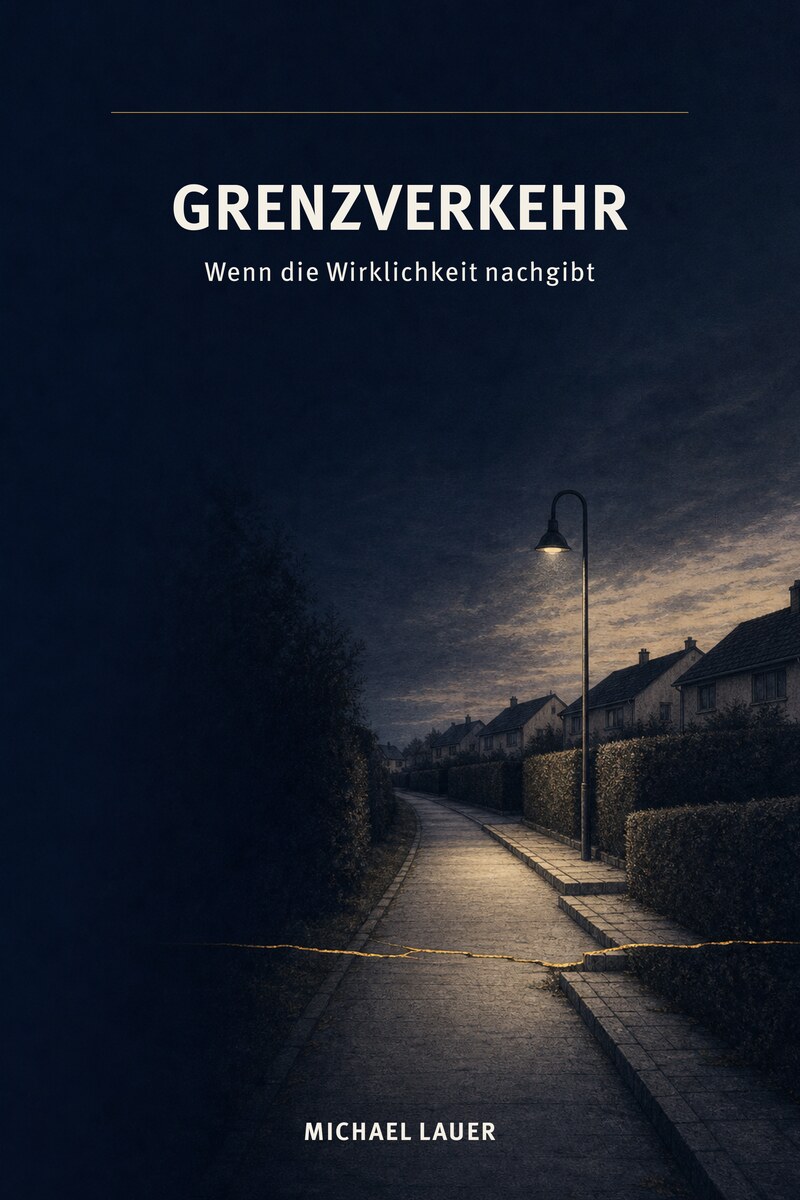
Here’s the one I’m actually proud of this year, and for once it isn’t a technical book. »Grenzverkehr — Wenn die Wirklichkeit nachgibt« is a collection of eight short stories (in german, sorry, dear international readers) about people whose carefully ordered reality gives way at one spot — not with a bang, but so casually that they first doubt themselves:
A map app that finds shortcuts that can’t exist. A city that reports in at 03:14 from inside an old system. An old woman at the gate who knows a physicist’s future because she is that future. Technically precise, dry, and — I hope — quietly unsettling.
404 pages (oh the irony), paperback and ebook. There’s a proper launch post, in german, with the whole story.
So why a non-technical book? I’ve been making up stories for as long as I’ve been programming — longer, actually; the C64’s “datasette” (tape drive) left plenty of time for it. What I never did was finish them. The 80:20 rule hit me harder here than anywhere else: the idea, the first scene, the twist were always there, the remaining eighty percent of sitting down and writing the unglamorous middle never happened, and the drafts folder grew for thirty years. What changed is the same thing that changed at the bench: talking it through with an LLM turned out to be the balance I was missing — I decide what happens and how it sounds, the model keeps me from stopping halfway. For me this is a really big deal. Bigger than any app I shipped this year.
And there’s more in the pipeline: a second collection is already in typesetting, there’s a very sweet children’s book with amazing illustrations, and — old habits die hard — finally a technical one on automotive diagnostics. All are built with Pandoc and LuaLaTeX and set in FF Meta Serif, the corporate font I’ve been going on about since 2009. Some things never change ;)
No third edition of the Vala book, by the way — Vala hasn’t moved enough, and neither have I.
Happy new year, or whatever is left of the old one. Stay tuned :)